
Search The MCI Blog

Why Successful People Outgrow Their Spaces Faster Than They Expect
Many homeowners outgrow their spaces faster than expected. Learn why it happens, what to update first in a remodel, and how to create a home that feels cohesive and aligned.

Why Budget Conversations Feel Awkward — and How to Make Them Productive
Budget conversations can feel uncomfortable at the start of a design project, but avoiding them often leads to bigger issues later. Learn how clear, honest discussions create smoother, more aligned results.
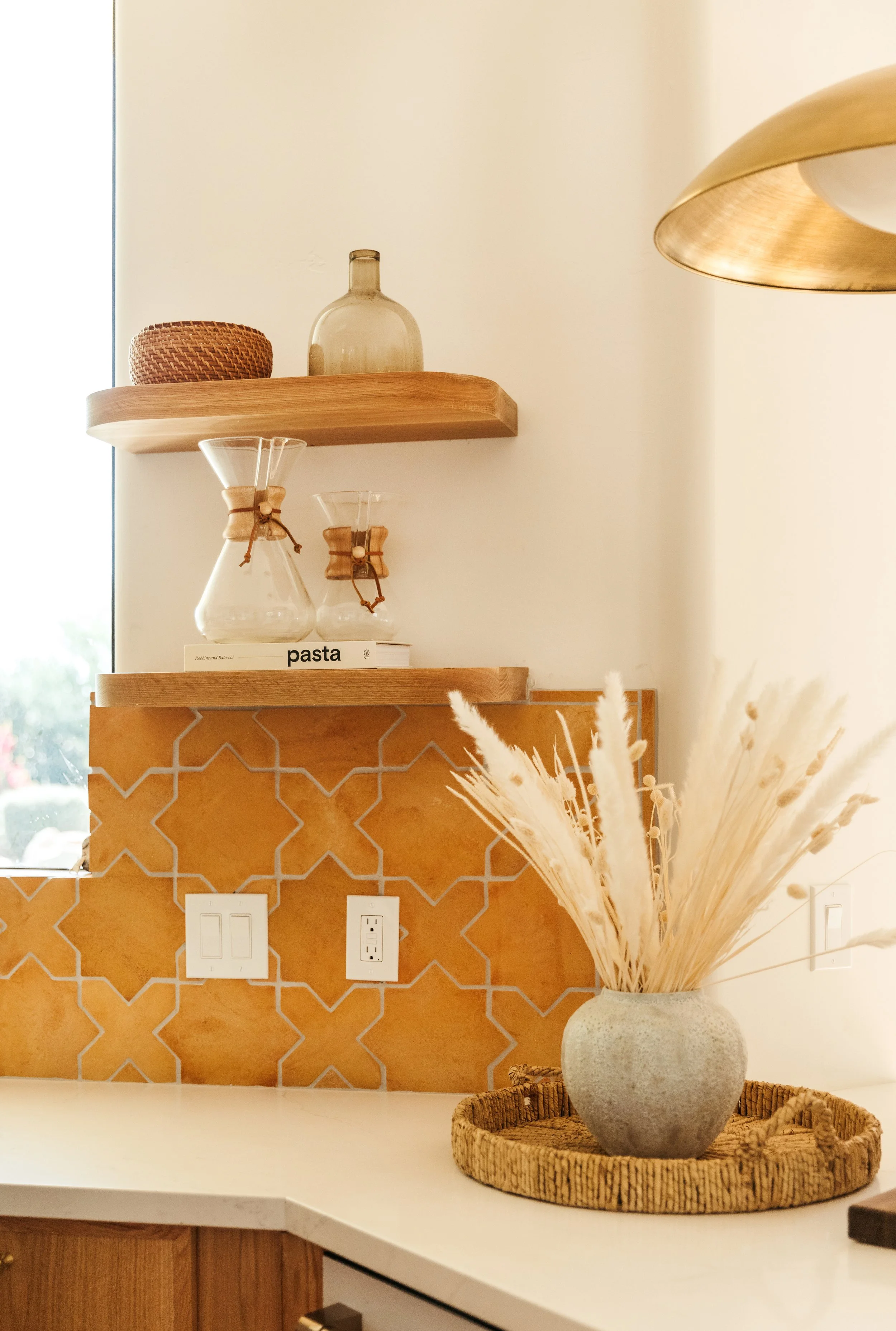
The Difference Between a Flexible Budget and a Vague One
Not all “flexible” budgets are the same. Learn the difference between a structured budget range and a vague one, and why clarity leads to better design decisions and smoother projects.
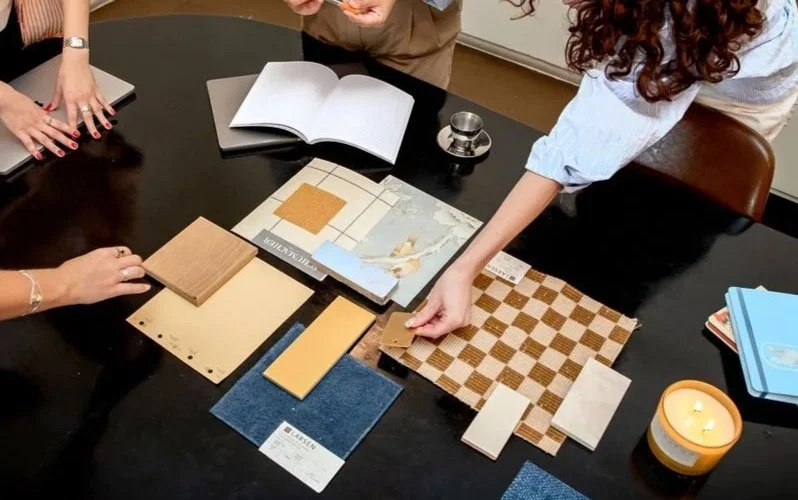
Why Most People Don’t Need More Options. They Need Fewer Decisions
Most homeowners don’t struggle with design because they lack taste. They struggle because they’re asked to make too many decisions at once. Learn how simplifying choices leads to better, more cohesive design results.

Who’s Actually in Charge of Your Construction Project (And Why It Matters More Than You Think)
Who is really in charge of your construction project? Whether you're planning a Phoenix home remodel or a commercial build-out, understanding the roles of your architect, interior designer, and contractor is critical. Clear responsibilities protect your budget, timeline, and vision.

Interior Design Pricing Explained: Hourly, Flat Fee, and Price Per Square Foot
Interior design pricing can feel confusing when proposals vary wildly from hourly to flat fee to price per square foot. This guide breaks down what those pricing models really mean, what you’re paying for, and how to choose the right approach for your home or commercial project in Phoenix in 2026.

Before You Reach Out to a Designer: A Checklist to Clarify Your Goals, Budget, and Expectations
Thinking about hiring an interior designer? This checklist helps you clarify your goals, budget, and expectations before the first conversation—so the design process starts with alignment, not assumptions.