
Search The MCI Blog
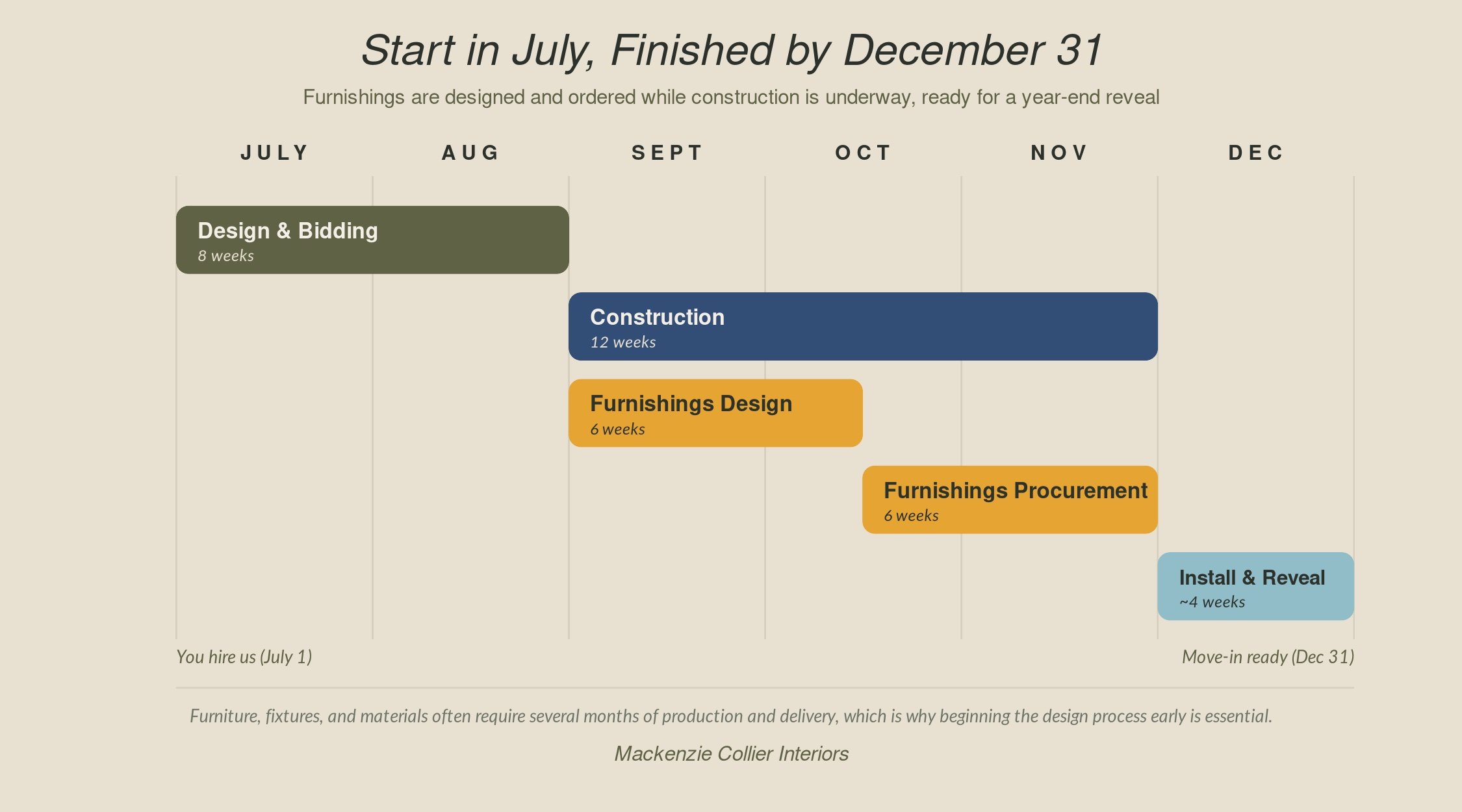
Why Summer Is the Best Time to Plan a Phoenix Home Remodel
The longest part of a remodel isn't construction, it's the design process and the months-long wait for materials and furnishings to arrive. Here's why hiring your designer now is exactly what gets you into a finished home by year's end.

How to Maximize ROI in Your Home Remodel Without Overbuilding
Maximizing ROI in a home remodel starts with layout, not finishes. Learn how smart space planning improves function, protects your investment, and prevents overbuilding.

Why Successful People Outgrow Their Spaces Faster Than They Expect
Many homeowners outgrow their spaces faster than expected. Learn why it happens, what to update first in a remodel, and how to create a home that feels cohesive and aligned.

Why Budget Conversations Feel Awkward — and How to Make Them Productive
Budget conversations can feel uncomfortable at the start of a design project, but avoiding them often leads to bigger issues later. Learn how clear, honest discussions create smoother, more aligned results.

How Experienced Interior Designers Help You Spend With Confidence
Spending on your home can feel overwhelming without a clear plan. Learn how experienced interior designers bring structure, prevent costly mistakes, and help you invest with confidence.

What “Staying on Budget” Actually Requires From the Start
“Staying on budget” isn’t about willpower during a project. It’s about clarity from the start. Learn how defining scope, priorities, and real numbers early creates a smoother, more predictable design process.
The Difference Between a Flexible Budget and a Vague One
Not all “flexible” budgets are the same. Learn the difference between a structured budget range and a vague one, and why clarity leads to better design decisions and smoother projects.

Why Most People Don’t Need More Options. They Need Fewer Decisions
Most homeowners don’t struggle with design because they lack taste. They struggle because they’re asked to make too many decisions at once. Learn how simplifying choices leads to better, more cohesive design results.

Before You Reach Out to a Designer: A Checklist to Clarify Your Goals, Budget, and Expectations
Thinking about hiring an interior designer? This checklist helps you clarify your goals, budget, and expectations before the first conversation—so the design process starts with alignment, not assumptions.