
What Homeowners Regret After Hiring the Wrong Designer
Hiring an interior designer should feel exciting. It is a step toward a space that supports how you live, work, and feel every day. Yet many homeowners look back on their projects with a surprising amount of frustration.
Rarely do people regret wanting help. More often, they regret how the process unfolded. What was not discussed early enough, what felt rushed, or what did not align once the dust settled.
Based on years of client conversations, industry feedback, and real-world experience, here are the most common regrets homeowners share after hiring the wrong designer, and how they can be avoided.

MCI designer, Rasha Rizwan is exploring high impact color on one of our remodels projects.
1. The Design Didn’t Reflect Them
One of the most common regrets we hear is that the final space looks beautiful… but doesn’t feel personal.
This often happens when the designer leads with a signature style or trends instead of taking time to understand how clients actually live in their space. When preferences, habits, and priorities aren’t fully explored upfront, the result can feel generic, or worse, like someone else’s home.
A thoughtful design process starts with listening, not prescribing.
2. The Budget Wasn’t Clear (or Kept Changing)
Budget surprises are a major source of stress in any project. Many homeowners regret not having a clear financial roadmap from the beginning, including what things actually cost, where flexibility exists, and what trade-offs may be required.
When budgets are vague or conversations are avoided early on, clients can feel blindsided as decisions stack up.
Clarity around pricing, transparency in sourcing, and ongoing budget check-ins are essential to maintaining trust throughout a project.
3. The Space Looks Good , But Doesn’t Function Well
A beautiful space that doesn’t support daily life quickly becomes frustrating.
Common regrets include poor layouts, lack of storage, impractical materials, or features that don’t align with how the space is used. These issues usually stem from skipping deeper conversations about routines, long-term needs, and how the space needs to perform, not just photograph.
Design should always work for the people living in it.
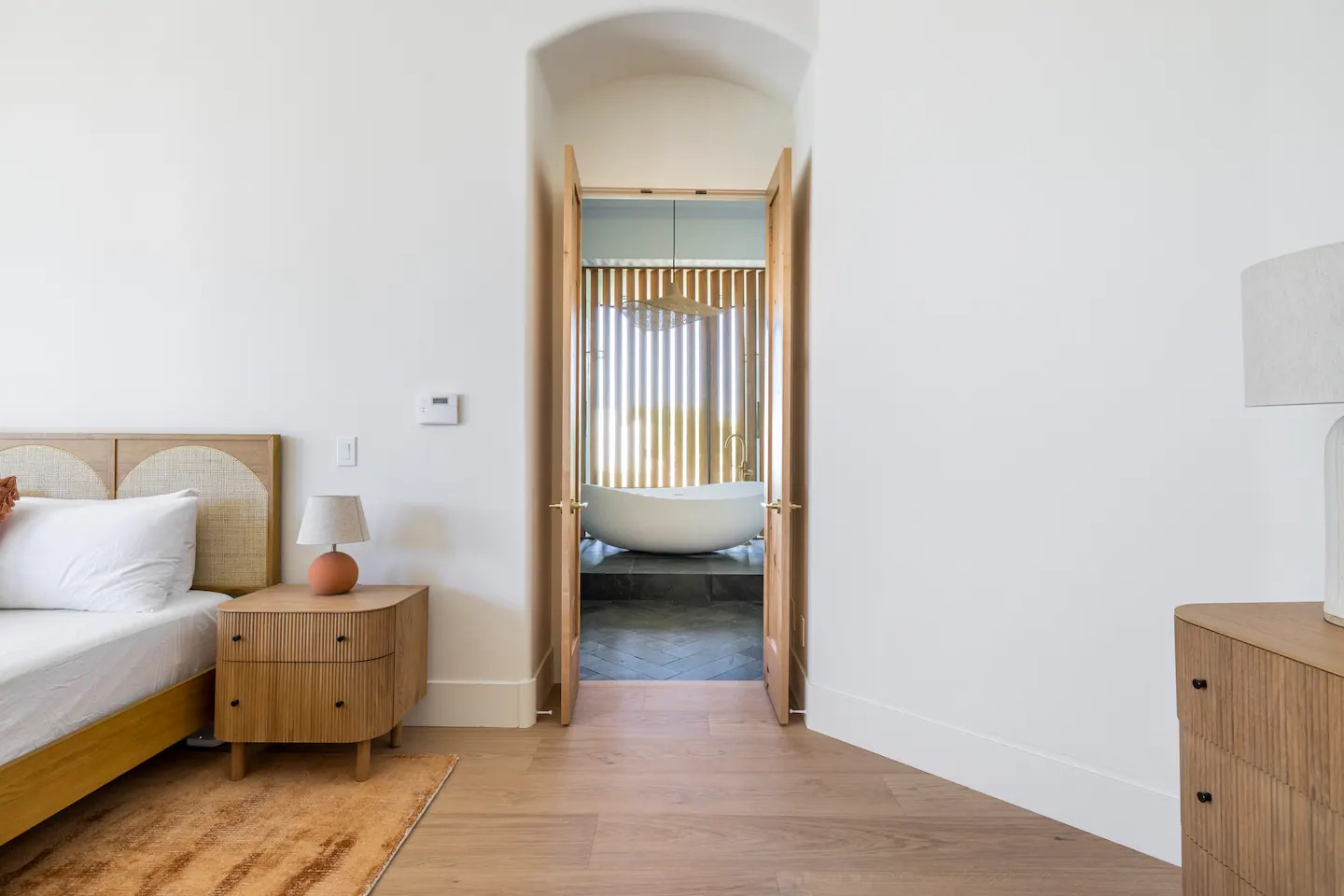
A great interior designer considers everything- especially lines of site. We create visual interest and intentionally draw your eye through the space.
4. Decisions Felt Rushed
Many homeowners admit they felt pressure to make decisions quickly, sometimes before they fully understood the implications.
Whether driven by timelines, trends, or external pressure, rushed decisions often lead to regret later. Trends fade. Needs change. A thoughtful designer creates space for clients to slow down, ask questions, and feel confident before moving forward.
Good design is not about speed. It is about intention.
5. There Was No Clear Process
Another common regret is not knowing what to expect.
When timelines, deliverables, communication rhythms, or decision points aren’t clearly outlined, clients can feel anxious or disconnected from their own project. A clear process doesn’t limit creativity, it supports it.
Knowing when decisions happen, and how information flows, helps projects feel collaborative instead of chaotic.
6. They Didn’t Feel Comfortable Speaking Up
Some homeowners realize too late that they compromised more than they should have.
Whether it was hesitating to ask questions, pushing back on a choice, or admitting confusion, many regret not advocating for themselves sooner. A strong designer-client relationship should feel safe, collaborative, and built on mutual respect.
The best outcomes happen when clients feel empowered to be honest.
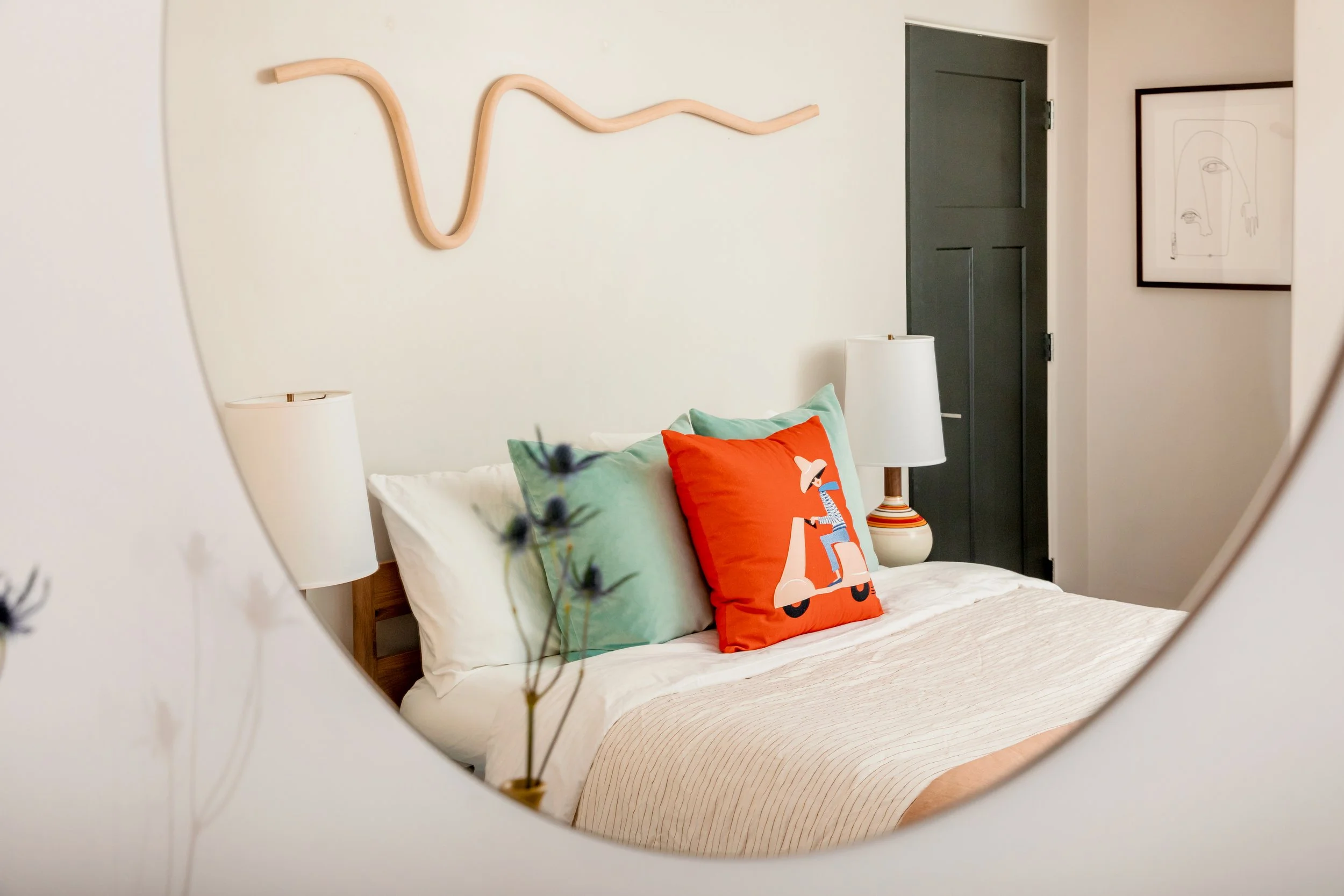
Sometimes the best design solutions are incredibly simple. This bentwood branch adds texture and interst in a guest room we designed.
So, What Makes the Difference?
Most design regrets come down to a lack of clarity. Priorities, budget, process, and communication all matter.
At Mackenzie Collier Interiors, we believe good design starts with slowing down. We prioritize alignment before aesthetics. Transparency before assumptions. Collaboration over control. Our process is intentionally structured to create space for conversation, reflection, and confident decision-making.
Because when design is done thoughtfully, regret doesn’t have room to move in.

MCI designer, Leigh Herr reviews project plans to assess if everything was built to our specifications during a post project walkthrough.
Thinking About a Project This Year?
Before you begin, take time to get clear, on what you want, what you need, and who you trust to guide the process.
If you’re exploring a project and want to understand what working together could look like, we’re always happy to start with a conversation.