
How to Tell If a Designer Is the Right Fit Before You Sign
Hiring an interior designer is a meaningful decision. You’re not just choosing someone to make your home look good. You’re choosing a partner who will guide decisions, manage details, and help shape how your space supports your life.
Before signing a contract, it’s worth slowing down and asking a few intentional questions. The right fit can make the entire process feel grounded and collaborative. The wrong one can lead to miscommunication, budget stress, or a space that doesn’t quite feel like you.
Here’s how to tell the difference before you commit.
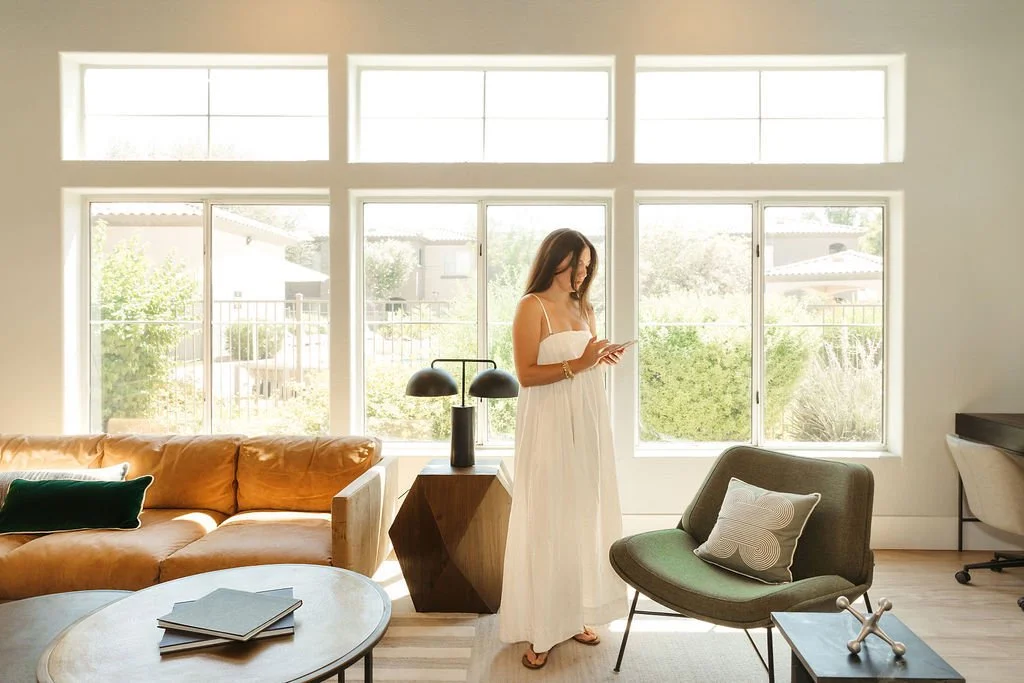
1. Their Portfolio Feels Aligned, Not Just Impressive
A portfolio should help you imagine yourself living in the spaces shown, not just admire them from afar. As you review a designer’s work, consider:
Do these spaces feel livable, thoughtful, and well resolved?
Can you see range, or does every project feel like the same style repeated?
Have they worked on projects similar in scope to yours?
A strong portfolio doesn’t mean this looks exactly like my home. It means you trust their ability to interpret your style and needs, not impose their own.
2. They Lead With Questions, Not Assumptions
One of the clearest signs of a good fit is how a designer starts the conversation. The right designer wants to understand how you live, what matters most, and where you need guidance before offering solutions.
You should feel heard, not rushed or sold to. Early conversations should focus on clarity, not pressure.
3. Communication Feels Clear and Comfortable
Design projects involve many decisions over time. If communication already feels confusing or awkward at the beginning, that usually doesn’t improve later.
A good fit means:
You understand how and when you’ll hear from your designer
Expectations around response time feel reasonable
You feel comfortable asking questions or voicing concerns
Ease and clarity in communication are just as important as design talent.
4. Their Process Makes Sense to You
Every design firm works differently, but a designer should be able to clearly explain:
What’s included in their services
How decisions are made
When your input is needed
What milestones you can expect along the way
If the process feels vague or overly complicated, it’s okay to ask for more clarity. You should never feel unsure about what you’re signing up for.
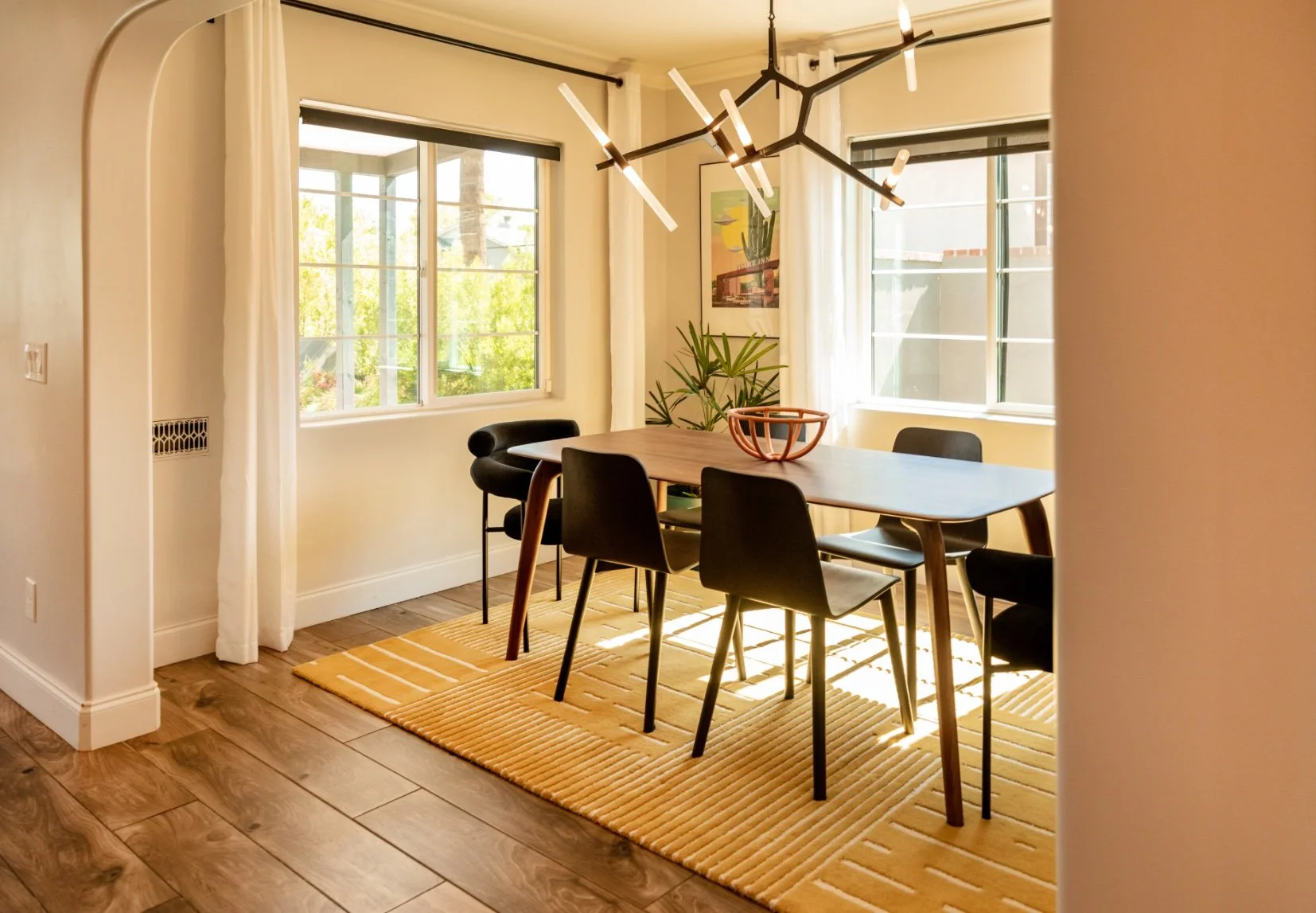
5. Budget Conversations Are Honest and Transparent
Design should feel exciting, not stressful. A good designer is upfront about how pricing works and how budget conversations are handled.
You should understand:
How design fees are structured
How purchasing is managed
What level of flexibility exists as decisions evolve
Transparency builds trust, and trust is essential for a successful project.
6. Their Working Style Matches Yours
Some clients prefer frequent check-ins. Others want fewer meetings with clear action items. Neither approach is wrong. What matters is alignment.
The right fit is a designer whose working style complements yours, so the process feels supportive instead of overwhelming.
7. You Feel a Genuine Connection
Design is collaborative and personal. You’ll be sharing your home, your routines, and your priorities. Feeling comfortable with your designer isn’t a bonus. It’s essential.
If something feels off early on, it’s worth paying attention to that instinct.

Why Fit Matters So Much
Most design challenges don’t come from bad ideas. They come from misalignment. When expectations, communication, or values aren’t clear from the start, projects can feel heavier than they need to be.
At Mackenzie Collier Interiors, we believe clarity is the foundation of good design. We take time to understand our clients, explain our process clearly, and create spaces that reflect how people actually live, not just what looks good on paper.
Before You Sign, Ask Yourself:
Do I feel understood?
Do I trust this process?
Can I see myself working with this team long term?
If the answer is yes, you’re likely on the right path. And if not, it’s okay to pause. The right designer will support that clarity, not rush past it.