
How Endless Choices Drain Energy (and How Designers Prevent It)
Renovating a home or designing a new space involves far more decisions than most people expect.
Tile sizes. Cabinet finishes. Hardware styles. Paint colors. Lighting fixtures. Flooring materials. Furniture layouts.
Even a relatively straightforward remodel can involve hundreds of individual choices. When those decisions arrive all at once, the experience can quickly shift from exciting to exhausting.
This phenomenon is known as decision fatigue.
What Is Decision Fatigue
Decision fatigue occurs when the brain becomes overloaded after making too many choices in a short period of time.
Research shows that our ability to make thoughtful decisions declines as our mental energy is depleted. By the end of a long day filled with decisions, people are more likely to avoid choices altogether or default to the easiest option.
Design projects unintentionally create the perfect environment for this type of mental overload.
Homeowners are often asked to make dozens of decisions about materials, layouts, and aesthetics while also balancing work, family responsibilities, and daily life.

Why Renovations Feel So Mentally Draining
Most design projects introduce a large number of decisions in a short time frame.
For example, a kitchen remodel might require choices about:
Cabinet style and finish
Countertop material
Backsplash tile
Appliances
Lighting
Hardware
Paint colors
Furniture or seating
Each of these choices also contains dozens of sub options.
Without a clear design strategy, the process can feel endless.

How Interior Designers Reduce Decision Fatigue
Professional interior designers are trained to filter and organize these decisions into manageable steps.
Instead of presenting every possible option, designers begin with a clear design direction. This direction guides every selection that follows.
For example, once the overall aesthetic and color palette are established, many materials automatically fall into or out of consideration. This dramatically reduces the number of choices a client must evaluate.
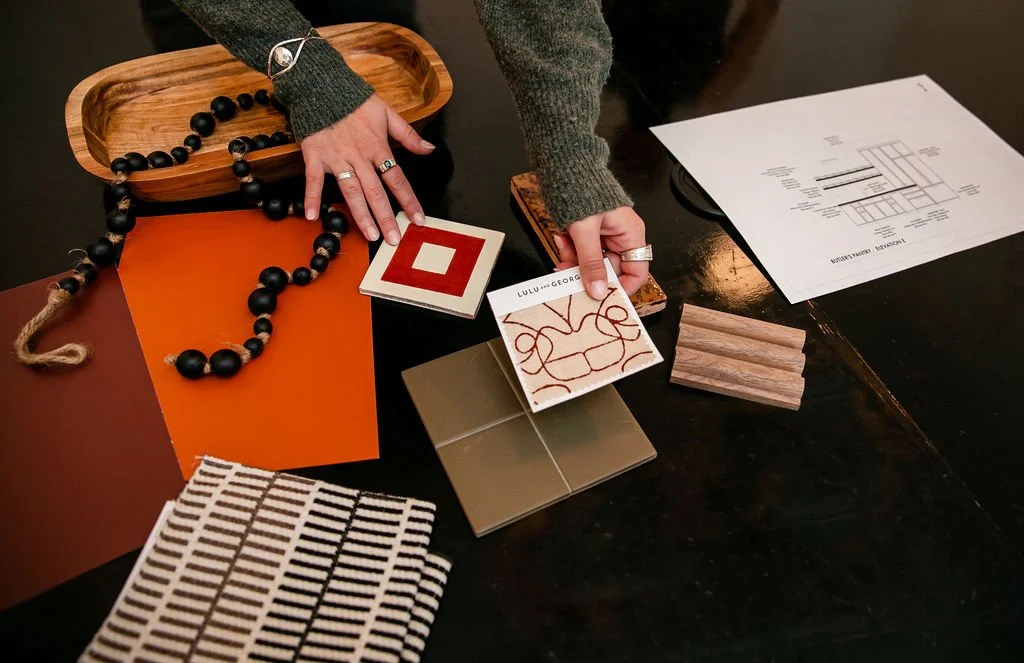
On Phoenix residential remodels and commercial design projects, our team often performs extensive research before presenting curated selections to the client.
By the time materials reach the presentation stage, they have already been vetted for durability, aesthetics, budget alignment, and compatibility with the overall design.
Why Structure Matters in Design
The most successful design projects follow a structured process.
Layouts and spatial planning come first. Materials and finishes follow. Furniture and styling are layered in after the foundational decisions are complete.
When this sequence is respected, decisions build upon each other logically. Clients are never asked to choose finishes for spaces that have not yet been defined.
This structure protects both the project's timeline and the client's mental bandwidth.
The Bottom Line
Design should feel exciting, not exhausting.
When projects lack structure, homeowners are forced to make hundreds of decisions without guidance. That is when overwhelm sets in.
A strong design process removes unnecessary decisions and replaces them with clear direction.
At Mackenzie Collier Interiors, our goal is to guide clients through complex projects with clarity and confidence so the design journey feels intentional rather than overwhelming.